Explore premium research peptides for weight loss studies, weight management research, fat metabolism models, blood sugar pathways, appetite control research, and body composition analysis.
PremierPeptides™ is a Canadian-owned research peptide supplier built for researchers who value third-party testing, purity verification, consistent batch quality, and fast Canada-wide delivery.
Peptides For Weight Loss Canada: Research Applications
Weight loss research often examines how specific peptides, amino acids, hormones, proteins, and short chains of molecules may affect metabolic pathways in controlled laboratory settings.
Researchers studying peptides for weight loss Canada may evaluate biological mechanisms connected to appetite, digestion, insulin secretion, blood sugar, hormonal regulation, fat metabolism, body weight, liver function, energy balance, and body composition.
These research topics are increasingly important because modern weight management studies now focus on more than body weight alone. Researchers often compare fat loss, lean mass preservation, metabolic health, glucose response, hormonal balance, and long-term safety signals across different study models.
PremierPeptides™ supports this work with premium research peptides selected for consistency, transparency, and research-use quality control.
Amino Acids, Peptides, and Weight Management Research
Peptides are short chains of amino acids that may occur naturally in the body or be synthesized for specific research applications. Because peptides can interact with cells, receptors, hormones, and signaling pathways, they are studied across several areas of metabolic and body composition research.
In weight loss research, peptides may be studied in relation to:
Appetite control and satiety pathways
Blood sugar and glucose regulation
Insulin secretion and insulin sensitivity
Fat metabolism and energy expenditure
Hormonal balance and endocrine signaling
Body composition and fat loss models
Growth hormone and metabolic activity
Digestive signaling and gastric emptying
These mechanisms are not interchangeable. GLP-1 receptor agonists, growth hormone secretagogues, mitochondrial peptides, adipose-targeting peptides, and hormone-related research compounds can have different structures, targets, effects, and risk profiles.
Popular Weight Loss Research Peptides
GLP-1, GIP, and Glucose Dependent Insulinotropic Polypeptide Research
Modern weight loss peptide research often focuses on incretin pathways, including GLP-1 and glucose dependent insulinotropic polypeptide, also known as GIP. These pathways are studied because of their connection to appetite control, insulin secretion, blood sugar, digestion, gastric emptying, and body weight regulation.
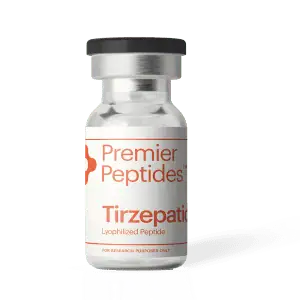
Tirzepatide is studied as a dual GIP and GLP-1 receptor agonist model. In research and prescription medication contexts, tirzepatide is often discussed for its effects on appetite, glucose handling, body weight, and metabolic function.
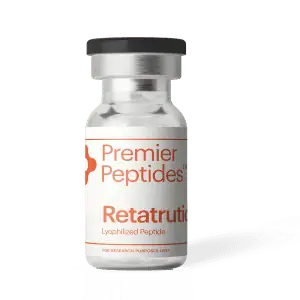
Retatrutide is relevant to research involving multi-receptor incretin models, energy balance, appetite regulation, glucose metabolism, and body composition pathways.
These products are supplied by PremierPeptides™ strictly for laboratory research. They are not FDA approved products, Health Canada approved medications, prescription medications, or peptide therapy products.
Growth Hormone and Fat Metabolism Research
Growth hormone pathways are frequently studied in relation to fat metabolism, muscle growth, body composition, aging, and energy regulation. Research in this area may examine how growth hormone secretagogues stimulate growth hormone production or interact with pituitary gland signaling.
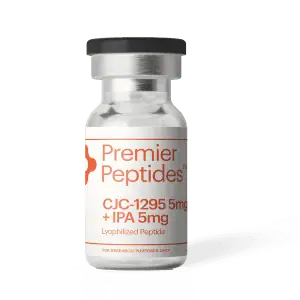
CJC-1295 w/o DAC 5mg + IPA 5mg is commonly studied as a combination model involving CJC-1295 and ipamorelin. Researchers may evaluate this combination in relation to growth hormone release, body composition, fat metabolism, recovery, and muscle preservation models.
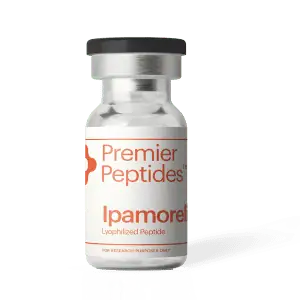
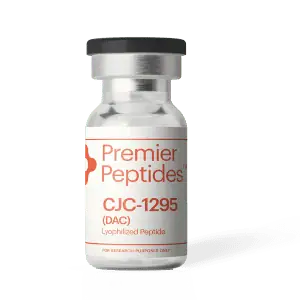
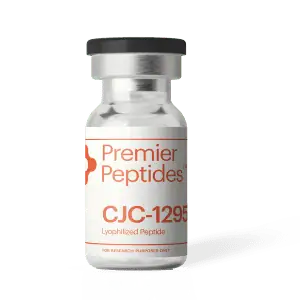
Individual compounds such as Ipamorelin, CJC-1295 w/ DAC, and CJC-1295 w/o DAC may also be evaluated separately depending on study design, half-life considerations, and research objectives.
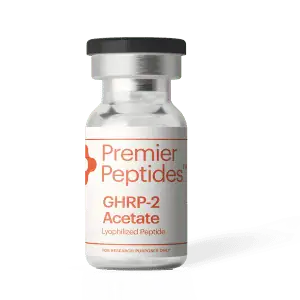
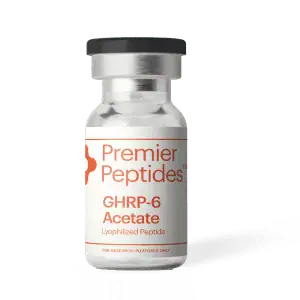
GHRP-2 Acetate and GHRP-6 Acetate are additional growth hormone secretagogue research compounds used in studies involving growth hormone secretion, appetite signaling, metabolic activity, and hormonal regulation.
Blood Sugar, Insulin Secretion, and Metabolic Research
Weight management research is closely connected to blood sugar, insulin, glucose response, liver metabolism, digestion, and hormonal balance. Researchers may compare different peptides to determine how specific mechanisms affect glucose handling, insulin secretion, appetite, and body composition over several weeks or longer study periods.
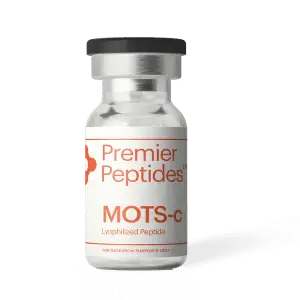
MOTS-c is often studied in relation to mitochondrial function, metabolic signaling, energy balance, and glucose-related pathways. Because mitochondrial activity can affect how cells use energy, MOTS-c may be relevant to fat metabolism and metabolic health research models.
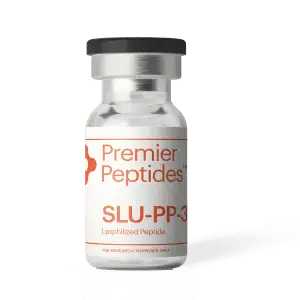
SLU-PP-332 5mg is used in laboratory research involving exercise-mimetic pathways, energy expenditure, endurance-related signaling, and metabolic function.
Body Composition and Fat Loss Research
Body composition research looks beyond body weight alone. Researchers may evaluate fat mass, lean mass, muscle retention, visceral fat, metabolic markers, appetite signaling, and energy balance to better understand the effectiveness of specific peptides in controlled study environments.
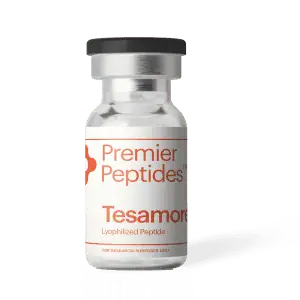
Tesamorelin is a growth hormone releasing hormone analogue studied in relation to visceral fat, body composition, growth hormone pathways, and metabolic function.
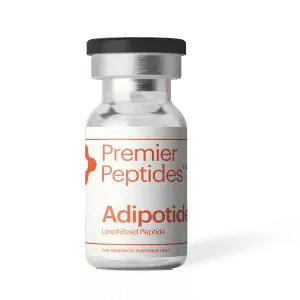
Adipotide is associated with research into adipose tissue targeting, fat metabolism, and body composition models. As with all research peptides, its use should remain limited to appropriate laboratory investigation.
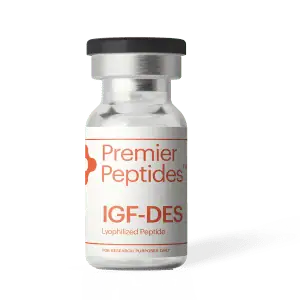
IGF-DES may be studied in relation to insulin like growth factor pathways, cellular signaling, muscle growth models, and body composition research.
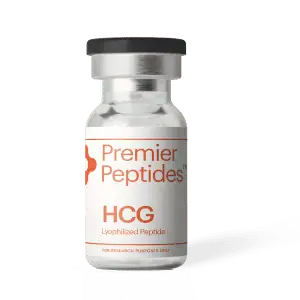
HCG may be relevant to research involving hormonal signaling, endocrine regulation, and related metabolic pathways.
Best Peptides for Weight Loss Research
The best peptides for weight loss research depend on the study model, pathway, and research objective.
For appetite control, insulin secretion, gastric emptying, and blood sugar research, scientists may study GLP-1 receptor agonists, GIP-related pathways, tirzepatide models, or retatrutide models.
For growth hormone and body composition research, investigators may evaluate CJC-1295, ipamorelin, GHRP-2, GHRP-6, or tesamorelin-related pathways.
For fat metabolism, energy balance, and metabolic function research, compounds such as MOTS-c, SLU-PP-332, adipotide, and related research peptides may be considered depending on the experimental design.
No peptide should be described as the best option for personal weight loss, peptide therapy, treatment, injection, or off-label use. PremierPeptides™ products are supplied strictly for laboratory research purposes only.
Health Canada, Prescription Medications, and Research-Use Peptides
Health Canada regulates many peptide drugs and injectable peptide products as prescription medications when they are intended for therapeutic use. Authorized medications in Canada must meet safety, efficacy, and quality requirements, and approved drug products are assigned an eight-digit Drug Identification Number.
This matters because research peptides are not the same as prescription medications. A peptide may be studied in scientific literature, discussed in peptide-assisted weight loss content, or compared to approved drugs, but that does not mean it is authorized for human use.
PremierPeptides™ does not provide peptide therapy, treatment guidance, prescription advice, subcutaneous injection instructions, dosage recommendations, or personal-use protocols.
Products in this category are not intended for:
Human use
Animal use
Injection
Oral administration
Peptide therapy
Weight loss treatment
Diabetes treatment
Off-label use
Pregnancy-related use
Wellness or body transformation programs
Unauthorized peptide use may carry health concerns, including contamination, incorrect dosage, infections, severe side effects, hormonal disruption, blood sugar instability, liver stress, blood clots, unknown long-term safety risks, and other adverse effects.
Quality Standards for Weight Loss Peptides Research
In weight loss peptide research, quality control is essential.
Small differences in peptide purity, product identity, storage, handling, and batch consistency can affect study outcomes. This is especially important for research involving blood sugar, appetite control, insulin secretion, growth hormone, hormonal balance, and fat metabolism.
PremierPeptides™ focuses on:
Third-party tested research peptides
Carefully selected raw materials
Minimum stated purity standards
Consistent batch quality
Clear research-use positioning
Fast shipping across Canada
Canadian-owned ecommerce fulfillment
Researchers choose PremierPeptides™ because they want a supplier that reflects the same standards they apply to their own work: precision, clarity, traceability, and consistency.
Explore Weight Loss Research Peptides
Browse premium research peptides connected to weight loss studies, body weight research, fat metabolism, blood sugar pathways, appetite control, growth hormone signaling, and body composition models.
Peptides for weight loss Canada is a common search term for research peptides studied in relation to body weight, fat metabolism, appetite control, blood sugar, insulin secretion, growth hormone, and body composition. PremierPeptides™ products are for laboratory research only and are not intended for human or animal use.
What are the best peptides for weight loss research?
The best peptides depend on the research objective. GLP-1 and GIP-related peptides may be studied for appetite, blood sugar, gastric emptying, and insulin secretion. Growth hormone secretagogues may be studied for body composition and metabolic signaling. Mitochondrial peptides may be evaluated for energy balance and fat metabolism models.
Do weight loss peptides promote weight loss?
Some peptides are studied for mechanisms that may relate to weight loss, including appetite control, glucose regulation, insulin secretion, fat metabolism, and body composition. Research findings do not mean a peptide is approved for weight loss treatment, peptide therapy, or personal use.
How do GLP-1 receptor agonists affect appetite control?
GLP-1 receptor agonists are studied for their role in satiety, appetite control, digestion, gastric emptying, insulin secretion, and blood sugar regulation. Some prescription GLP-1 medications are approved for specific medical uses, but PremierPeptides™ products are not prescription medications or approved treatments.
What is glucose dependent insulinotropic polypeptide?
Glucose dependent insulinotropic polypeptide, or GIP, is an incretin hormone involved in insulin secretion and metabolic signaling. In research, GIP pathways are often studied alongside GLP-1 pathways to better understand appetite, glucose response, body weight, and fat metabolism.
Is tirzepatide used in weight loss research?
Yes. Tirzepatide is commonly discussed in research involving dual GIP and GLP-1 receptor activity, appetite control, blood sugar, insulin secretion, body weight, and body composition. PremierPeptides™ supplies tirzepatide strictly for laboratory research use only.
Is semaglutide a peptide?
Semaglutide is a GLP-1 analogue studied and prescribed in specific regulated medical contexts. It is often discussed in relation to appetite control, body weight, insulin secretion, and blood sugar. Research-use peptides should not be confused with approved prescription medications.
What is tesamorelin studied for?
Tesamorelin is a growth hormone releasing hormone analogue studied in relation to growth hormone pathways, visceral fat, body composition, metabolic function, and aging-related research models. It is not supplied by PremierPeptides™ for treatment or peptide therapy.
Are weight loss peptides legal in Canada?
Peptide legality depends on the product, intended use, authorization status, and regulatory classification. Health Canada regulates many injectable peptides and peptide drugs as prescription medications when intended for therapeutic use. PremierPeptides™ products are sold strictly for laboratory research.
Can PremierPeptides™ products be used for peptide-assisted weight loss?
No. PremierPeptides™ products are not intended for peptide-assisted weight loss, human use, animal use, injection, oral administration, treatment, or off-label use. They are supplied only for laboratory and scientific research purposes.
First Order? Save 10%
Subscribe for 10% off your first order, plus product updates, research resources, and exclusive PremierPeptides™ offers.

 Free Shipping Canada-Wide On Orders Over $300. Quality Assured.