PremierPeptides™ is a Canadian-owned research peptide supplier built for researchers who value third-party testing, purity verification, consistent batch quality, and fast Canada-wide delivery.
Select options
This product has multiple variants. The options may be chosen on the product page
Peptides for Muscle Growth Canada
Muscle growth research often examines how peptides may affect biological pathways connected to growth hormone, muscle protein synthesis, insulin like growth factor activity, recovery, inflammation, blood flow, and age related muscle loss.
Researchers studying these mechanisms commonly evaluate compounds related to:
Growth hormone secretion
Muscle mass research
Muscle strength studies
Recovery and tissue repair models
Pituitary gland signaling
IGF and muscle cell pathways
Visceral fat and body composition research
Resistance training adaptation models
PremierPeptides™ supplies research peptides for Canadian laboratories, universities, independent researchers, and qualified research buyers seeking a premium, transparent, and professional source.
Why Researchers Choose PremierPeptides™
In the peptide market, quality control matters. These are premium research peptides for muscle growth studies, recovery science, growth hormone pathway analysis, muscle protein synthesis, muscle mass research, and body composition models.
Research use only. Not for human or animal consumption.
PremierPeptides™ is built for researchers who want more than low-cost compounds or vague sourcing. Our focus is on clinical precision, clean product presentation, transparent quality standards, and dependable Canadian fulfillment.
Researchers choose PremierPeptides™ for:
Third-party tested research peptides
Carefully selected raw materials
Minimum stated purity standards
Consistent batch quality
Canadian-owned ecommerce fulfillment
Fast shipping across Canada
Professional, research-first product positioning
Clear separation from supplements, steroids, and medical treatments
For muscle growth research, small differences in peptide identity, purity, storage, handling, and batch consistency can affect study outcomes. PremierPeptides™ helps researchers order with confidence.
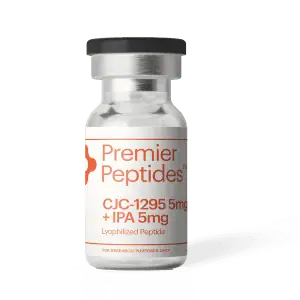
This combination is often evaluated in studies involving:
Growth hormone release
Human growth hormone pathways
IGF-1 signaling
Muscle mass research
Recovery models
Body composition studies
Aging-related performance research
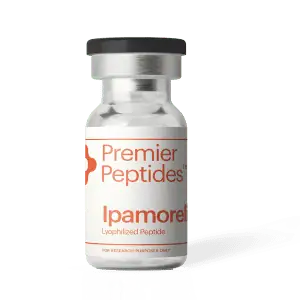
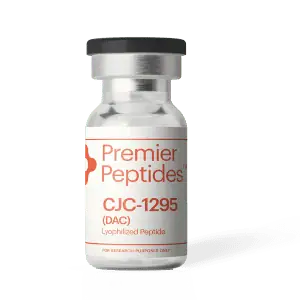
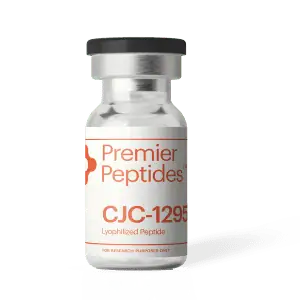
Researchers may also compare individual compounds such as Ipamorelin, CJC-1295 w/ DAC, and CJC-1295 w/o DAC depending on study design, duration, mechanism, and growth hormone release profile.
CJC 1295 and ipamorelin are often discussed in relation to GHS peptides, pituitary gland signaling, HGH secretion, and recovery research. These references are for scientific context only and do not imply approval for peptide therapy, injections, oral administration, or off label human use.
IGF Research Peptides
Insulin like growth factor pathways are closely connected to muscle cells, muscle protein synthesis, tissue adaptation, and growth signaling research.
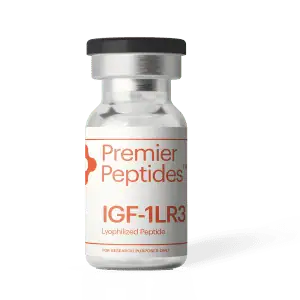
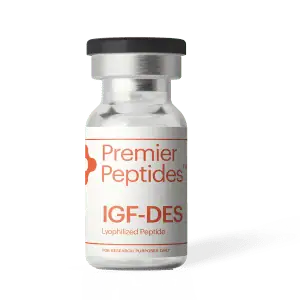
PremierPeptides™ offers IGF-1LR3 and IGF-DES for laboratory research involving IGF activity, cellular signaling, muscle growth mechanisms, and recovery-related biological models.
These peptides may be relevant for research into:
Muscle cell signaling
Protein synthesis pathways
Muscle growth models
Recovery and repair mechanisms
Cellular response studies
IGF-related compounds are not supplements, steroids, or approved treatments. They are research-use materials only.
Tesamorelin Research
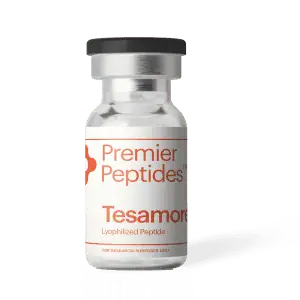
Tesamorelin is a growth hormone releasing hormone analogue studied in relation to growth hormone pathways, visceral fat, body composition, and metabolic function.
In research settings, tesamorelin may be relevant to studies involving:
Growth hormone production
Visceral fat research
Skeletal muscle area
Aging-related body composition
Metabolic health models
Fat loss research pathways
Tesamorelin has also been studied in clinical settings for specific medical conditions under regulated supervision. PremierPeptides™ supplies tesamorelin strictly for laboratory research, not for treatment, peptide therapy, or off label use.
Mitochondrial and Recovery Research
Muscle performance is closely connected to energy production, oxidative stress, cellular function, endurance, and recovery capacity.
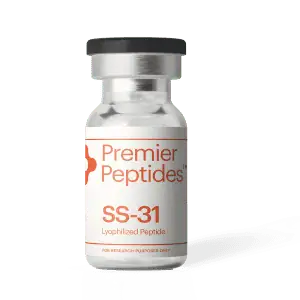
SS-31 is commonly studied in mitochondrial research where investigators examine cellular stress, aging, recovery, endurance, and muscle function pathways.
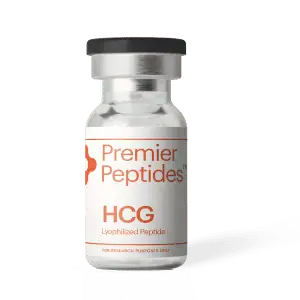
HCG may also be used in research involving hormone signaling, endocrine function, and related biological mechanisms.
These products support research into how peptides and hormones may affect the body at the cellular, metabolic, and signaling level.
Research Planning and Product Selection
Muscle growth research often requires comparison across multiple pathways.
Researchers may evaluate different compounds depending on whether the study is focused on growth hormone release, IGF signaling, tissue repair, inflammation, recovery, mitochondrial function, or body composition.
Common research areas include:
Growth hormone secretagogues: CJC-1295, ipamorelin, and related GHS peptides
IGF pathway research: IGF-1LR3 and IGF-DES
Body composition research: Tesamorelin and growth hormone releasing hormone analogues
Recovery and cellular stress research: SS-31 and mitochondrial peptides
Hormone signaling research: HCG and related endocrine models
This approach supports better research planning without relying on unsupported claims, generic supplements, or low-quality sourcing.
Muscle Growth, Recovery, and Bioactive Peptides
Not all peptides work the same way.
Some peptides are studied for growth hormone secretion. Others are researched for muscle protein synthesis, tissue repair, collagen activity, blood flow, inflammation, muscle pain models, joint pain models, endurance, or recovery after mechanical stress.
Bioactive peptides such as BPC 157 and TB4 are often discussed in tissue repair research. BPC 157 has been studied in relation to muscle and tendon healing models, type 1 collagen, angiogenesis, and blood flow. These findings should be treated as research observations, not medical claims.
Thymosin-related peptides are also discussed in recovery science, tissue repair research, and immune-function models. Collagen peptides are another category entirely and are often studied for connective tissue support, muscle strength, recovery, and resistance training outcomes.
The key distinction: collagen peptides, naturally occurring peptides, synthetic analogues, growth hormone secretagogues, and hormone-mimicking research peptides are not interchangeable. Each has a different structure, mechanism, risk profile, and research application.
Research-Use Compliance
PremierPeptides™ products are supplied strictly for laboratory and scientific research.
They are not intended for:
Human use
Animal use
Injection
Oral administration
Peptide therapy
Treatment
Off label performance enhancement
Muscle building in humans
Fat loss in humans
For researchers in Canada, product quality, proper handling, and regulatory awareness are essential. Many injectable peptides and hormone-related compounds may require Health Canada authorization, a valid Drug Identification Number, and licensed medical oversight when intended for therapeutic use.
Unauthorized peptide use may carry health concerns, including contamination, incorrect dosage, adverse effects, hormonal imbalance, metabolic disruption, immunogenicity risk, and unknown long term safety outcomes.
Athletes should also be aware that many growth hormone secretagogues, GHRH analogues, and hormone-related peptides may be considered prohibited substances in sport.
PremierPeptides™ supports compliant research with third-party tested peptides, consistent batch quality, and Canada-wide fulfillment.
Explore Muscle Growth Research Peptides
Select premium research peptides connected to growth hormone pathways, muscle mass studies, recovery science, muscle strength research, and body composition models.
PremierPeptides™ does not recommend peptides to take for muscle building. Products in this category are for laboratory research only.
In research settings, compounds such as CJC 1295, ipamorelin, IGF-related peptides, tesamorelin, and growth hormone secretagogues may be studied for muscle growth pathways, growth hormone release, muscle protein synthesis, muscle mass, and recovery models.
How can I get peptides in Canada?
Research peptides can be purchased from Canadian research suppliers such as PremierPeptides™ for laboratory use.
For medical use, peptide therapy, injections, or treatment, products must follow Canadian regulatory requirements and should only be obtained through licensed medical channels. PremierPeptides™ products are not approved medications and are not intended for human or animal use.
What peptides does Joe Rogan take?
PremierPeptides™ does not verify or comment on personal peptide use by public figures.
Research decisions should be based on peer reviewed studies, product quality, regulatory compliance, third-party testing, and laboratory requirements rather than celebrity discussions.
Do peptides really work for muscle building?
Peptides work through different biological mechanisms depending on the compound.
Some peptides are studied for growth hormone release, muscle protein synthesis, insulin like growth factor signaling, tissue repair, inflammation, blood flow, recovery, or mitochondrial function. Research activity does not mean a peptide is approved for muscle building, peptide therapy, treatment, or human use.
What are growth hormone secretagogues?
Growth hormone secretagogues are compounds studied for their ability to stimulate growth hormone release.
In research, GHS peptides may be evaluated for HGH secretion, pituitary gland signaling, IGF-1 activity, muscle mass research, fat metabolism, and recovery mechanisms. CJC-1295 and ipamorelin are commonly discussed in this area of research.
Is CJC-1295 used in muscle growth research?
Yes. CJC 1295 is commonly studied in relation to growth hormone release, human growth hormone pathways, IGF-1 signaling, muscle mass, recovery, aging, and body composition research.
What is the difference between CJC-1295 and ipamorelin?
CJC-1295 is generally studied as a growth hormone releasing hormone analogue, while ipamorelin is studied as a growth hormone secretagogue.
Researchers may examine them separately or in combination depending on the growth hormone release model, study duration, and mechanism being evaluated.
Are peptides the same as steroids or supplements?
No. Peptides, steroids, and supplements are different categories.
Peptides are chains of amino acids. Steroids have a different structure and mechanism. Supplements, such as proteins or collagen peptides, are also different from research peptides. PremierPeptides™ products are not steroids, supplements, medications, or approved treatments.
Should athletes avoid peptides?
Athletes subject to drug testing should be cautious.
Many growth hormone secretagogues, GHRH analogues, hormone-related peptides, and similar compounds may be considered prohibited substances in sport. Research peptides should never be used for athletic performance enhancement, muscle building, recovery, or fat loss.
How should research peptides be handled?
Research peptides should be handled according to laboratory protocols, product-specific documentation, storage requirements, and institutional safety standards.
Researchers should consider purity, stability, storage, lot consistency, and handling procedures before beginning any study. PremierPeptides™ products are not intended for injection, oral administration, treatment, or personal use.
First Order? Save 10%
Subscribe for 10% off your first order, plus product updates, research resources, and exclusive PremierPeptides™ offers.

 Free Shipping Canada-Wide On Orders Over $300. Quality Assured.