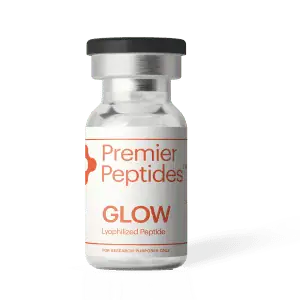
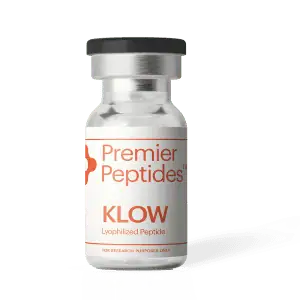
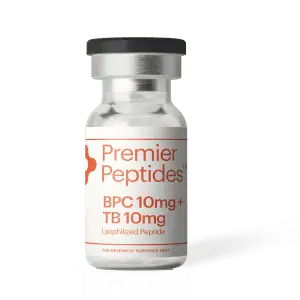
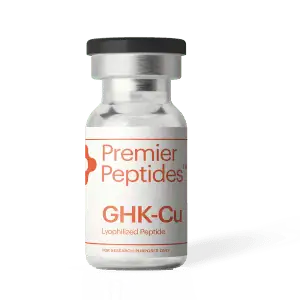
Explore premium research peptides for recovery studies, tissue repair models, inflammation research, connective tissue analysis, muscle recovery pathways, and cellular repair applications.
PremierPeptides™ is a Canadian-owned research peptide supplier built for researchers who value third-party testing, purity verification, consistent batch quality, and fast Canada-wide delivery.
Select options
This product has multiple variants. The options may be chosen on the product page
Peptides for Recovery Canada: Research Applications
Recovery peptide research examines how specific peptides, amino acids, proteins, hormones, and short chains of molecules may influence biological repair pathways in controlled laboratory settings.
Researchers studying peptides for recovery Canada often evaluate mechanisms connected to tissue repair, inflammation, muscle recovery, collagen activity, connective tissues, immune system signaling, skin health, cellular stress, growth hormone pathways, and recovery after mechanical strain.
This category is designed for research applications involving recovery science, not therapeutic use. PremierPeptides™ products are not peptide supplements, collagen supplements, prescription medications, FDA approved drugs, or Health Canada approved treatments.
They are supplied strictly for laboratory and scientific research.
Amino Acids, Peptides, and Recovery Research
Peptides are short chains of amino acids. In biochemistry, amino acids are the main building blocks of proteins, and peptides can have different properties depending on sequence, structure, length, and biological target.
Some peptides occur naturally in the body. Others are synthesized for laboratory research. These molecules may be studied because peptides can interact with cells, hormones, bacteria, proteins, enzymes, growth factors, and receptor pathways.
Recovery-focused research may include:
Muscle recovery and tissue repair models
Connective tissue and collagen pathway research
Inflammation and immune system signaling
Skin health and aging-related models
Growth hormone and muscle mass research
Cell migration and wound healing models
Antimicrobial peptides and host-defense research
Cellular stress, metabolism, and recovery capacity
These research areas are closely related, but not interchangeable. Collagen peptides, antimicrobial peptides, growth hormone secretagogues, peptide supplements, and injectable research peptides all have different structures, uses, evidence levels, and safety considerations.
Popular Recovery Research Peptides
BPC-157, TB500, and Connective Tissue Research
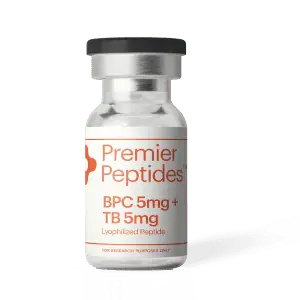
BPC-157 and TB500 are widely discussed in recovery peptide research because of their association with tissue repair models, cell migration, inflammation pathways, connective tissues, and muscle recovery studies.
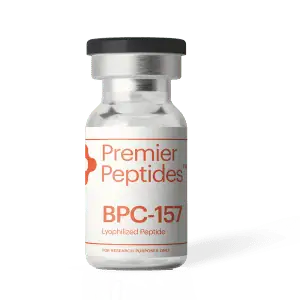
BPC-157 is a research peptide often studied in relation to muscle, tendon, ligament, and connective tissue models. It is commonly discussed in research involving healing pathways, collagen activity, inflammation response, and tissue regeneration.
TB500, also associated with Thymosin Beta-4 research, is studied in relation to cell migration, inflammation, tissue repair, and recovery mechanisms.
Recovery research often involves multiple pathways at once, including tissue repair, skin health, collagen signaling, inflammation, immune response, and cellular recovery.
These blends are research materials only. They are not intended to build muscle, improve athletic performance, treat injuries, support human health, or replace medical care.
GHK-Cu, Skin Health, and Anti Aging Research
GHK-Cu is a copper peptide used in research involving skin health, aging, collagen activity, wrinkles, tissue remodeling, and cellular repair mechanisms.
GHK-Cu is often discussed alongside collagen peptides and peptide complexes in skin research. However, collagen peptide supplements and injectable research peptides are different categories. Collagen supplements are typically food-derived or hydrolyzed collagen products, while GHK-Cu is a specific research peptide used in controlled laboratory applications.
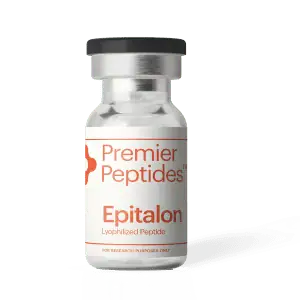
Researchers interested in skin aging, connective tissue, collagen activity, and recovery pathways may also evaluate Epitalon, a peptide studied in aging-related cellular research.
KPV, Immune System, and Inflammation Research
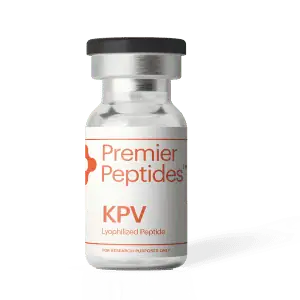
KPV 10mg is studied in relation to inflammation response, immune system signaling, antimicrobial peptide research, and tissue stress models.
Antimicrobial peptides are an important research area because they may interact with bacteria, immune signaling, and host-defense mechanisms. This does not mean antimicrobial peptides are antibiotics, medications, or approved treatments. They are studied for their biological properties and potential research applications.
KPV may be relevant for researchers examining inflammation, immune response, tissue repair, and recovery science.
NAD+, MOTS-c, and Cellular Recovery Research
Recovery is not limited to muscle or connective tissue. Researchers also study cellular energy, metabolism, oxidative stress, mitochondrial function, and aging-related recovery capacity.
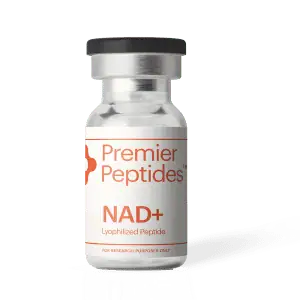
NAD+ is studied in relation to cellular metabolism, aging, energy pathways, and biological repair mechanisms.
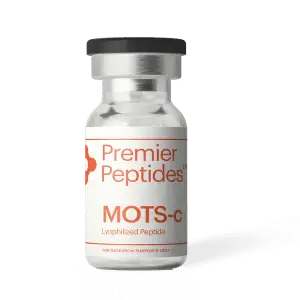
MOTS-c is often used in metabolic research involving mitochondrial signaling, energy regulation, and cellular stress response.
SLU-PP-332 5mg may also be relevant to studies involving exercise-mimetic pathways, endurance-related signaling, metabolism, and recovery capacity.
Peptide Supplements, Collagen Peptides, and Research Peptides
Searchers often compare peptide supplements, collagen peptide supplements, collagen supplements, food derived bioactive peptides, and research peptides. These terms are related, but they should not be treated as the same thing.
Collagen peptides are typically derived from collagen protein sources and are often found in oral supplements. Some collagen peptide supplements are studied for skin health, wrinkles, connective tissues, bone markers, osteoporosis-related research, muscle strength, and recovery when combined with exercise.
Food derived bioactive peptides may come from protein-rich sources and are studied in nutrition, digestion, metabolism, and functional food research. These peptides may be derived from proteins in foods such as shellfish, beans, dairy, or other sources, depending on the study model.
PremierPeptides™ products are different. They are research-use peptides intended for non-clinical laboratory applications. They are not dietary supplements, collagen peptide supplements, vitamins, medications, or products for human consumption.
Other Peptides for Muscle Mass, Growth Hormone, and Recovery Research
Some recovery studies also examine growth hormone, muscle mass, muscle growth, and endocrine signaling pathways.
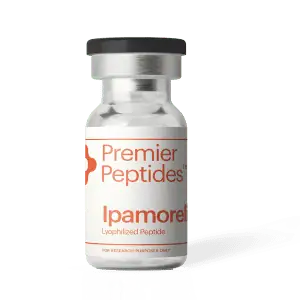
Ipamorelin is a growth hormone secretagogue research peptide studied in relation to growth hormone release, muscle mass models, recovery pathways, and body composition research.
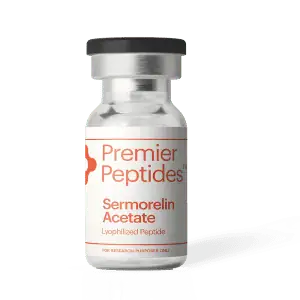
Sermorelin Acetate is studied as a growth hormone releasing hormone analogue in research involving pituitary gland signaling, hormonal regulation, growth hormone production, and recovery-related models.
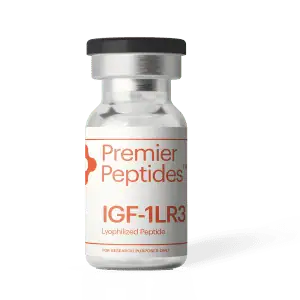
IGF-1LR3 may be relevant to research involving insulin-like growth factor signaling, muscle growth pathways, cellular recovery, and tissue adaptation.
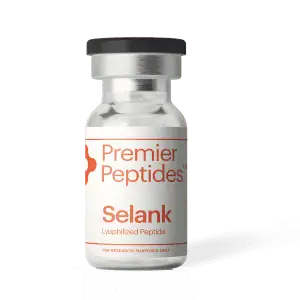
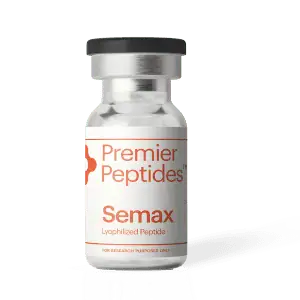
Researchers may also evaluate cognitive and stress-response peptides such as Selank and Semax, depending on the recovery model being studied.
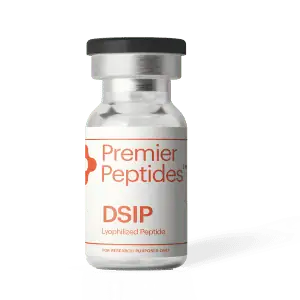
DSIP may be studied in sleep-related recovery models, stress response, and biological rhythm research.
FDA Approved, Health Canada, and Research-Use Separation
PremierPeptides™ products are not FDA approved drugs, Health Canada approved medications, peptide therapies, prescription drugs, or treatments for any medical condition.
In Canada, therapeutic peptide drugs and injectable peptide products may require Health Canada authorization and a valid Drug Identification Number when marketed for human use. Health Canada has warned against unauthorized injectable peptide drugs because they may carry risks related to contamination, incorrect dosage, allergic reactions, infections, hormonal imbalance, blood clots, serious side effects, and unknown long-term safety.
This distinction is essential. A peptide may appear in clinical trials, animal studies, in vitro research, a meta analysis, or early scientific literature, but research interest does not equal approval for human use.
PremierPeptides™ does not provide:
Peptide therapy
Medical advice
Dosing instructions
Injection guidance
Human-use protocols
Athletic performance recommendations
Treatment recommendations
All products are supplied strictly for laboratory and scientific research.
World Anti-Doping Agency and Athletic Performance Research
Researchers and athletes should be aware that many recovery-related substances, growth hormone secretagogues, growth factors, and related compounds may appear on the World Anti-Doping Agency Prohibited List.
For example, WADA lists TB-500 and certain growth factor or growth factor modulator categories connected to muscle, tendon, ligament, vascularization, energy utilization, and regenerative capacity.
PremierPeptides™ products are not intended to enhance athletic performance, build muscle in humans, accelerate recovery in athletes, or support competitive sport use.
They are research-use products only.
Quality Standards for Recovery Peptide Research
Recovery research depends on product consistency.
Small differences in peptide identity, purity, storage, handling, or batch quality can affect research outcomes, especially in studies involving inflammation, collagen, connective tissues, growth hormone, immune response, and cellular recovery.
PremierPeptides™ focuses on:
Third-party tested research peptides
Carefully selected raw materials
Minimum stated purity standards
Consistent batch quality
Clear research-use positioning
Fast shipping across Canada
Canadian-owned ecommerce fulfillment
Our goal is to provide researchers with a dependable source for premium recovery peptides without exaggerated claims, unclear sourcing, or unsupported health benefits.
Explore Recovery Research Peptides
Browse premium research peptides connected to tissue repair, recovery science, connective tissue research, immune signaling, skin health, metabolism, muscle mass research, and cellular recovery models.
Peptides for recovery Canada is a common search term for research peptides studied in relation to tissue repair, inflammation, connective tissues, muscle recovery, immune signaling, skin health, collagen pathways, and cellular recovery. PremierPeptides™ products are for laboratory research only.
Are recovery peptides the same as collagen peptide supplements?
No. Collagen peptide supplements are typically food-derived or hydrolyzed collagen products used in nutrition research. Recovery research peptides are different molecules used in laboratory studies. PremierPeptides™ products are not collagen supplements, peptide supplements, vitamins, or products for human consumption.
What are bioactive peptides?
Bioactive peptides are short chains of amino acids that may have biological activity in research models. They can be studied in relation to cells, proteins, hormones, bacteria, immune response, metabolism, skin, connective tissues, and other biological systems.
Is BPC-157 used in recovery research?
Yes. BPC-157 is commonly studied in relation to muscle, tendon, ligament, connective tissue, inflammation, and tissue repair models. These are research applications only and should not be interpreted as treatment claims.
What is TB500 studied for?
TB500 is studied in relation to Thymosin Beta-4 pathways, cell migration, tissue repair, inflammation response, and recovery research. It is not intended for human use, athletic performance, or treatment.
Are recovery peptides legal in Canada?
Legality depends on the compound, intended use, authorization status, and regulatory classification. Health Canada regulates many injectable peptide drugs as prescription medications when intended for therapeutic use. PremierPeptides™ products are sold strictly for laboratory research.
Are recovery peptides banned in sport?
Many growth hormone secretagogues, growth factors, growth factor modulators, and related recovery compounds may be prohibited in sport. Athletes should review the World Anti-Doping Agency Prohibited List and avoid using research peptides for performance, recovery, or competition-related purposes.
Can recovery peptides build muscle?
Some peptides are studied in relation to muscle growth, muscle mass, growth hormone, IGF signaling, and recovery pathways. Research activity does not mean a peptide is approved to build muscle, improve athletic performance, or treat any medical condition.
Are PremierPeptides™ recovery products FDA approved?
No. PremierPeptides™ products are not FDA approved drugs, Health Canada approved medications, prescription products, or peptide therapies. They are supplied strictly for laboratory and scientific research purposes only.
How should recovery research peptides be handled?
Recovery research peptides should be handled according to laboratory protocols, product-specific documentation, storage requirements, and institutional safety standards. They are not intended for injection, oral administration, treatment, or personal use.
First Order? Save 10%
Subscribe for 10% off your first order, plus product updates, research resources, and exclusive PremierPeptides™ offers.

 Free Shipping Canada-Wide On Orders Over $300. Quality Assured.